
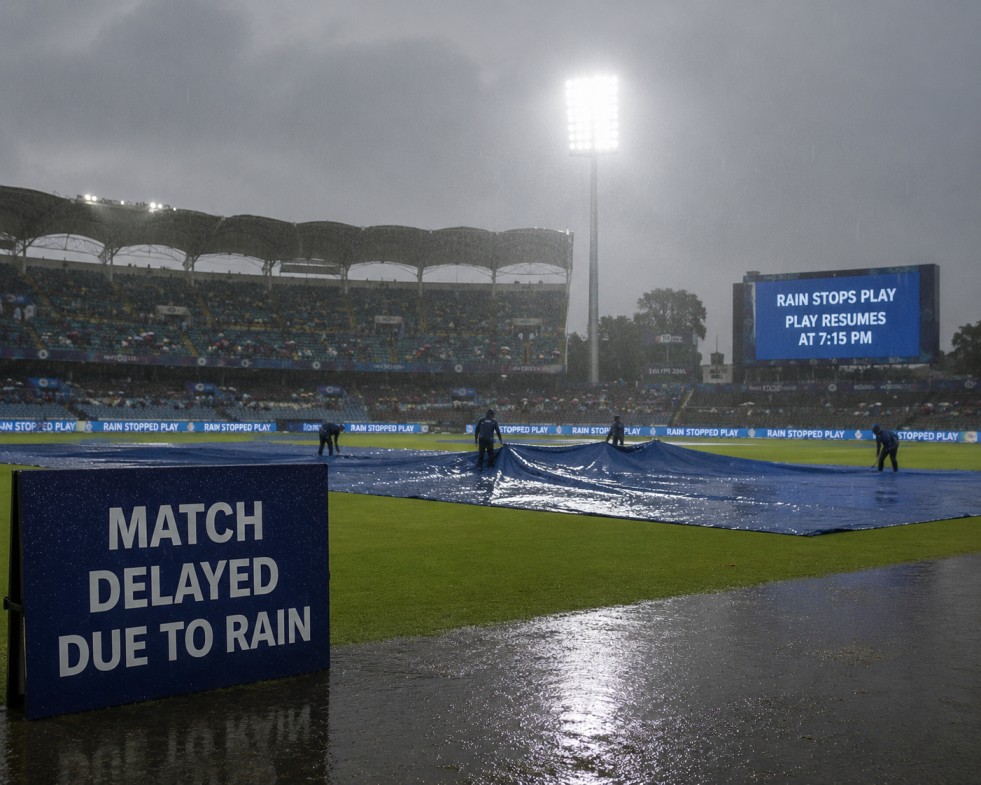
Pause at the rain break, confirm the revised overs, and restart from the exact ball so the scorecard stays clean and continuous. CricFight’s live ball-by-ball cricket scoring app is built for that job: fast two-tap scoring, professional scorecards, and a simple way to keep the match moving without manual rework.
What should you do first when rain stops play?
Stop scoring at the exact ball, note the over and wicket count, and lock in the current score before anyone starts guessing. That is the core of rain interruption handling: protect scorecard continuity first, then sort out the revised overs calculation.
If you are using a ball-by-ball scoring app, this is where it earns its keep. You want one clean record of the innings, not a WhatsApp thread full of “I think it was 7.3” messages. CricFight is useful here because its professional scorecards and Easy Match Scoring keep the innings readable even when the match is broken into two parts. If your group wants a simpler way to restart after weather, start scoring your next match with the same live record intact.
The captain’s job is simple: freeze the moment, confirm the last legal delivery, and make sure scorer, umpire, and batting side agree on the state of play before anyone leaves the ground.
What do you need ready before the match starts?
Have these basics ready before the first ball if rain is even a possibility:
- One person assigned to score every ball, not just totals.
- A second person who can verify overs, wickets, and the last completed delivery.
- A clear match restart workflow for pauses, reduced overs, and resumed innings.
- A shared understanding of who announces the revised target once conditions change.
- A scoring tool that can keep the innings continuous instead of forcing a fresh sheet.
- A way to show professional scorecards to players who will ask for proof later.
CricFight fits this setup because it is built for grassroots cricket and real club match conditions, with Umpires & Scorers, Easy Match Scoring, and Professional Scorecards. It also gives you Free Tournament Management and Free squad management, so the same platform can handle the match, the group, and the table without extra admin.
The practical advantage is speed. When the sky opens up, you do not want to rebuild the innings from memory. You want the score already captured ball by ball, ready to resume when the ground dries.
How do you score the match step by step after a rain break?
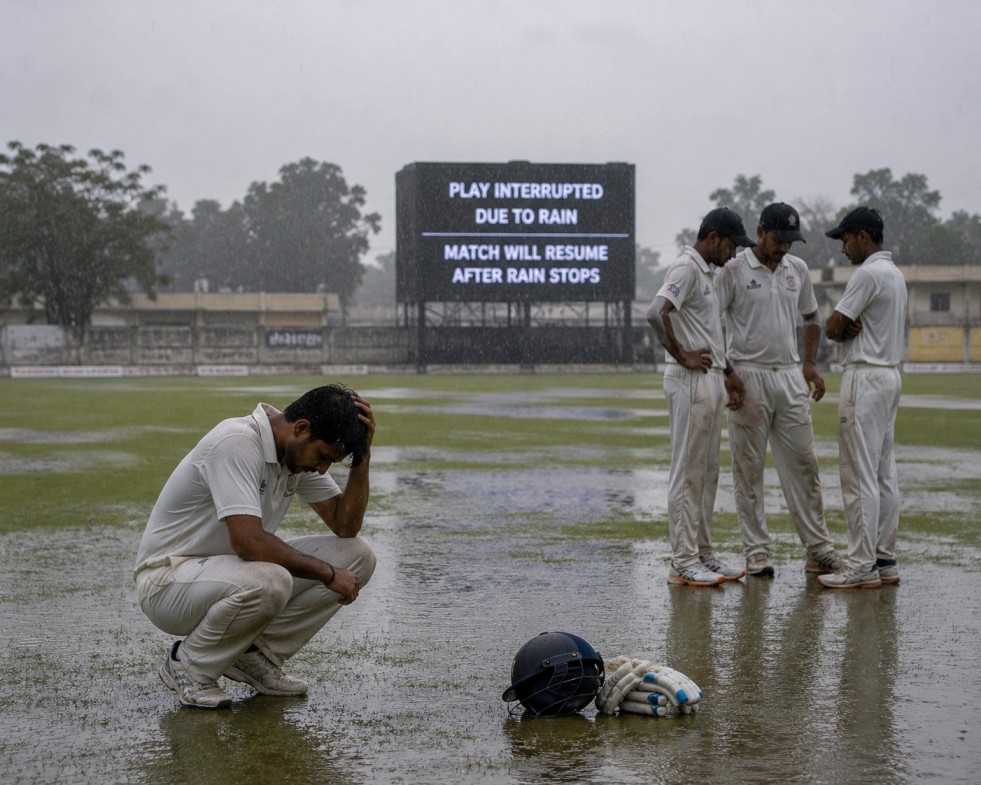
- Pause the innings at the exact ball. Record the over, wicket, batter on strike, and the score at stoppage.
- Confirm whether play will resume or whether the innings will be shortened. If the match restarts, the revised overs calculation must be agreed before the next ball.
- Apply the Duckworth-Lewis-Stern method if the chase needs a revised target. DLS uses overs remaining and wickets in hand to set a fair target for the team batting second, rather than just cutting the original target in proportion to lost overs. That is the logic behind the method’s fairness model, as described here: Duckworth–Lewis–Stern method.
- Resume scoring from the next legal delivery, not from a new innings. The scorecard should show one continuous match, even if the game was interrupted twice.
- Keep every change visible to the scorer and umpire so there is no dispute later over targets, overs, or wickets.
This is where CricFight’s workflow matters. A captain can pause scoring at the rain break, resume after the revised overs are confirmed, and the app keeps the full ball-by-ball scorecard intact. That means no manual stitching, no lost overs, and no ugly reconstruction after the match. It also means the scorecard still looks professional when you share it with the group.
If you want the same continuity on the next wet weekend, use the live scoring app and keep the innings in one clean record.
What are the most common mistakes in rain-interrupted scoring?
- Restarting from the wrong ball and creating a mismatch between the scorer’s sheet and the umpire’s count.
- Reducing overs without confirming whether the innings is complete or only paused.
- Treating DLS like a simple run cut instead of a revised target based on overs left and wickets in hand.
- Forgetting to note the last legal delivery before the break.
- Letting one person “remember it later,” which usually becomes the source of the dispute.
- Changing the batting order, strike, or target without telling the scorer.
- Assuming the match is abandoned when it is only delayed.
Rain also changes how teams think. Batters get cautious, captains rush decisions, and bowlers try to squeeze every legal ball. That pressure is where mistakes happen. The fix is boring but effective: keep one live record, confirm every interruption, and do not rely on memory.
The cleanest way to avoid the usual mess is to score in a system that keeps the innings visible as it changes. CricFight’s two-tap scoring and Professional Scorecards reduce the chance of a messy handoff when the weather turns.
How do you confirm the final scorecard and keep the next match simple?
Once the revised result is settled, close the innings with the final score, overs used, and the winning condition clearly shown on the scorecard. Save that record for the league table, player stats, and any later dispute. If the match was shortened, make sure the final card reflects the revised overs calculation and the correct result, not the original plan.
For captains, the real win is not just finishing the game. It is handing the next organizer a record that already makes sense. CricFight helps here with Score the Match, Follow Matches Live, In-Depth Player Stats, and Personal Player Profiles, so the same match can feed the scorecard, the tournament flow, and the player record without extra copying. That is the kind of continuity that saves you from being the human spreadsheet again.
If your group wants rain-hit matches to feel routine instead of chaotic, keep the workflow simple and keep the score live from ball one to the final result. Read more about the live scoring app and make the next restart easier.
Frequently Asked Questions
What happens if a cricket match is stopped due to rain?
Play pauses at the last completed ball, and officials decide whether the match will resume, be shortened, or be abandoned. CricFight keeps the ball-by-ball record intact so the scorecard is ready the moment play restarts.
What happens in Dream11 if the match is abandoned due to rain?
That depends on the contest rules and whether the match is officially abandoned or has a valid result. For your local match, the important part is to preserve the final scorecard cleanly; CricFight’s Professional Scorecards help you keep that record straight.
What happens if a match is abandoned due to rain today?
If the match is abandoned, there is no completed result unless the competition rules say otherwise. The scorer should still save the innings state, and CricFight’s live scoring flow makes that record easy to keep.
What is the DLS method due to rain?
The Duckworth-Lewis-Stern method sets a revised target for the chasing side when weather interrupts a limited-overs match. It uses overs remaining and wickets in hand, which is why it is the standard way to handle a rain-hit chase.
How many innings count as a full game in a rain delay?
There is no single answer for every format; it depends on the competition rules and whether a minimum overs requirement has been met. In local cricket, the scorer should follow the agreed match rules and keep the scorecard continuous.
How to score a rain interrupted cricket match india
Record the exact stoppage, confirm the revised overs, and continue the same innings from the next legal ball. CricFight is built for that workflow with Easy Match Scoring and Professional Scorecards.
How does the target get adjusted when the rain interrupts a cricket match?
The target is adjusted using the DLS method, which factors in overs left and wickets remaining rather than just trimming the original target. That keeps the chase fair after a weather break.
In rain-affected limited-overs cricket matches, the DLS method adjusts targets based on which factors to fairly calculate revised scores?
It uses two factors: overs remaining and wickets in hand. That is the core of the revised target calculation.
How is the target score calculated if the innings of the team batting second is delayed or interrupted?
Officials apply the DLS method to recalculate the target from the resources left in the innings. CricFight does not calculate DLS for you, but it does keep the live scorecard clean so the revised target can be applied without confusion.
Rain does not have to wreck the scorecard. If you freeze the innings at the right ball, confirm the revised overs, and keep one continuous live record, the match stays fair and the group stays calm. CricFight gives weekend captains a fast, free forever way to do that with ad-free live scoring, professional scorecards, and the kind of continuity that makes rain breaks feel manageable instead of chaotic. Start your next match here and keep the score straight from first ball to final result.